Water Heater Leak Repair · Diamond Bar, CA · Ranch Hills Heater Pros
7 Signs Your Water Heater Is About to Leak
Water heaters rarely fail without warning. They whisper first: a sound, a stain, a change in the water. Here are the seven signs Diamond Bar plumbers take seriously, and what each one is trying to tell you.
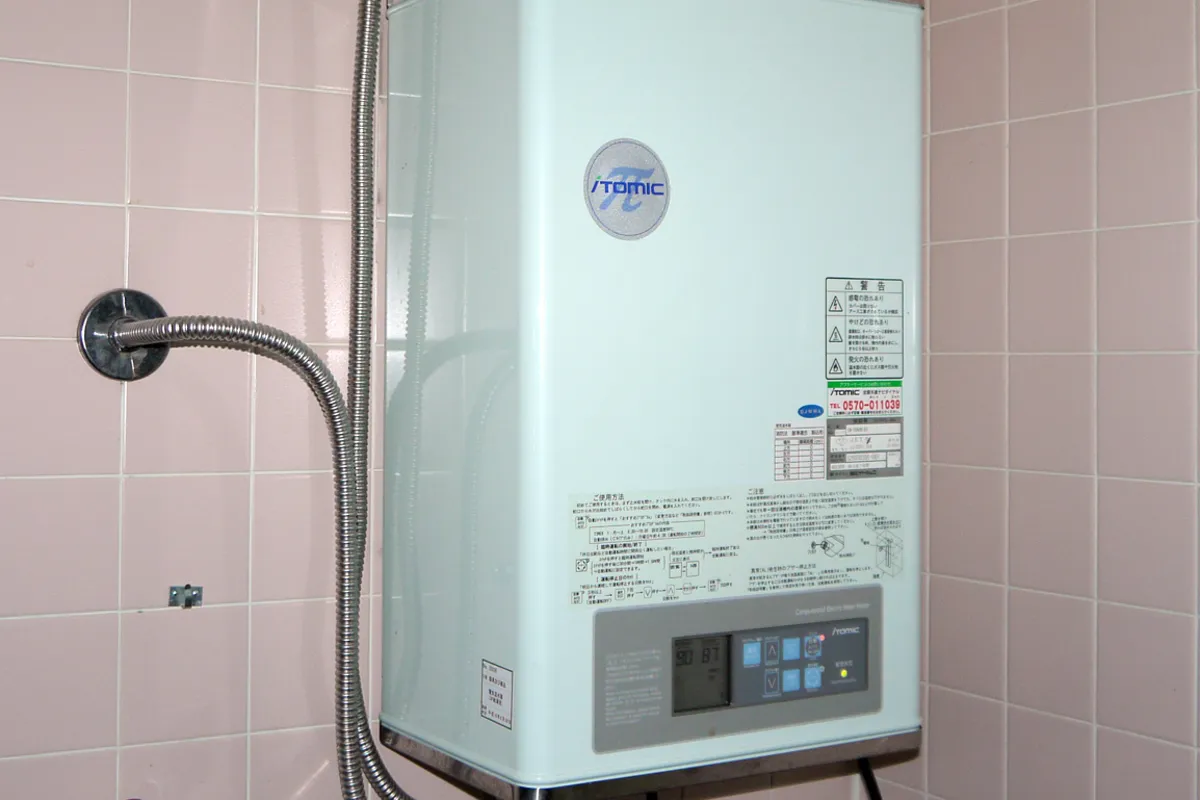
Sign one is water where it should not be, in any amount. A damp patch at the base, a pan with water in it, a stain spreading on the garage concrete. Water heaters are dry machines on the outside; any moisture on or under one is a finding, not a quirk, and it deserves a look within days rather than months.
Sign two is rust, on the tank or in the water. Rust streaks running down the jacket mean a fitting above is weeping and corroding as it goes. Rusty hot water at the taps means the tank's interior or its anode story is advanced. Either way, steel is dissolving somewhere, and steel does not heal.
Sign three is noise. A healthy tank heats quietly. Rumbling, popping and crackling are the sounds of water boiling through a sediment layer at the tank's bottom, and sediment is not just noise: it insulates, overheats the steel and shortens the tank's life every day it stays.
Sign four is a relief valve with a history. A valve that drips occasionally is reporting pressure or beginning to fail; a valve that has dripped for months has been filing a report nobody read. The valve is a safety device, so its complaints outrank every other sign on this list for urgency of diagnosis, even when the fix turns out simple.
Sign five is age combined with anything. A ten-year-old tank with a small drip is a different patient from a four-year-old tank with the same drip. Age is read off the rating plate, and past the ten-year mark every other sign on this list should be weighted double.
Sign six is changing performance: hot water that runs out sooner, water that is not as hot, a pilot that needs relighting, a breaker that has tripped once. Performance changes mean the system is working harder or failing at a component, and both paths lead toward leaks when the stressed part gives up.
Reading the Signs Together
Sign seven is the water bill. A leak that never shows itself visibly still shows itself arithmetically. A bill that climbs with no change in household use is water going somewhere, and the water heater, the pressurized appliance that never sleeps, is always on the suspect list. Even a drip a second, invisible inside a wall or under a slab edge, adds up to hundreds of gallons a month.
What to do with a sign: one sign, book a visit and get it read properly. Two signs together, book it this week. Water actively spreading, shut the unit down and call it an emergency, because the signs phase is over and the damage phase has started.
The pattern across all seven is that water heaters fail gradually and then suddenly. The gradual part is your opportunity: every sign above is the cheap chapter of a story whose expensive chapter is a flooded garage and a same-day replacement at emergency prices.
Diamond Bar's hard water writes these signs faster than the national average, which is why the annual flush and a yearly glance at the base of the tank matter here. Ten seconds of looking, once a month, catches five of the seven signs before they cost anything.
A word about the sign that is not on the list: a single puddle you cannot explain, once, that never returns. Tanks sweat in cool garages, and condensation can mimic a small leak on a humid morning. Wipe it dry, put a paper towel under the unit, and check it the next day. A towel that stays dry was weather; a towel that wets again is a sign, and it belongs on the list above.
If you have spotted one of these signs, the next step is a diagnosis, not a guess. A plumber can read the unit in one visit and tell you whether you are looking at a valve, a fitting or the end of a tank, and each of those answers has a different price and a different urgency.
Common Questions
Can I handle a water heater leak myself?
Shutting off the water and the unit's energy, yes, and every homeowner should know how. Repairs at valves, elements and tanks involve pressurized hot water, gas or 240-volt electrics depending on the unit, and those belong to a plumber with the right kit.
How do I reach a local plumber?
Call +1 (844) 468-2611. Your call goes directly to an independent local plumber serving the Diamond Bar area, and you describe the problem to the person who would do the work.
Where can I read more water heater guides?
More guides are added to this blog over time. The service pages on this site also explain each leak source in depth, starting with the main Diamond Bar water heater leak repair page.
If your water heater is showing any of the signs in this guide, call +1 (844) 468-2611 and talk it through with a local plumber.
Stop the Leak: Talk to a Diamond Bar Pro
Tell the plumber where the water is coming from, the heater's age and whether it is gas or electric, and the first visit carries the right parts more often. You reach the receiving provider directly.