Water Heater Leak Repair · Diamond Bar, CA
Water Heater Leak Detection in Diamond Bar, CA
Water heater leak detection in Diamond Bar, CA: tracing leaks to their true source at the tank, valves, fittings or lines.
- Available 24/7
- Diamond Bar, CA
- Leak Detection
One call reaches a local plumber directly. No call center, no ticket queue.
Water Heater Leak Detection in Diamond Bar, CA
Water is a liar. It appears at the base of the water heater, but it may have started at a fitting on top, run down inside the jacket, and pooled at the floor. It shows on the ceiling below a water heater closet, but the source is a supply line two feet away. Leak detection exists because replacing parts at the wettest spot, instead of the source, is how homeowners pay twice.
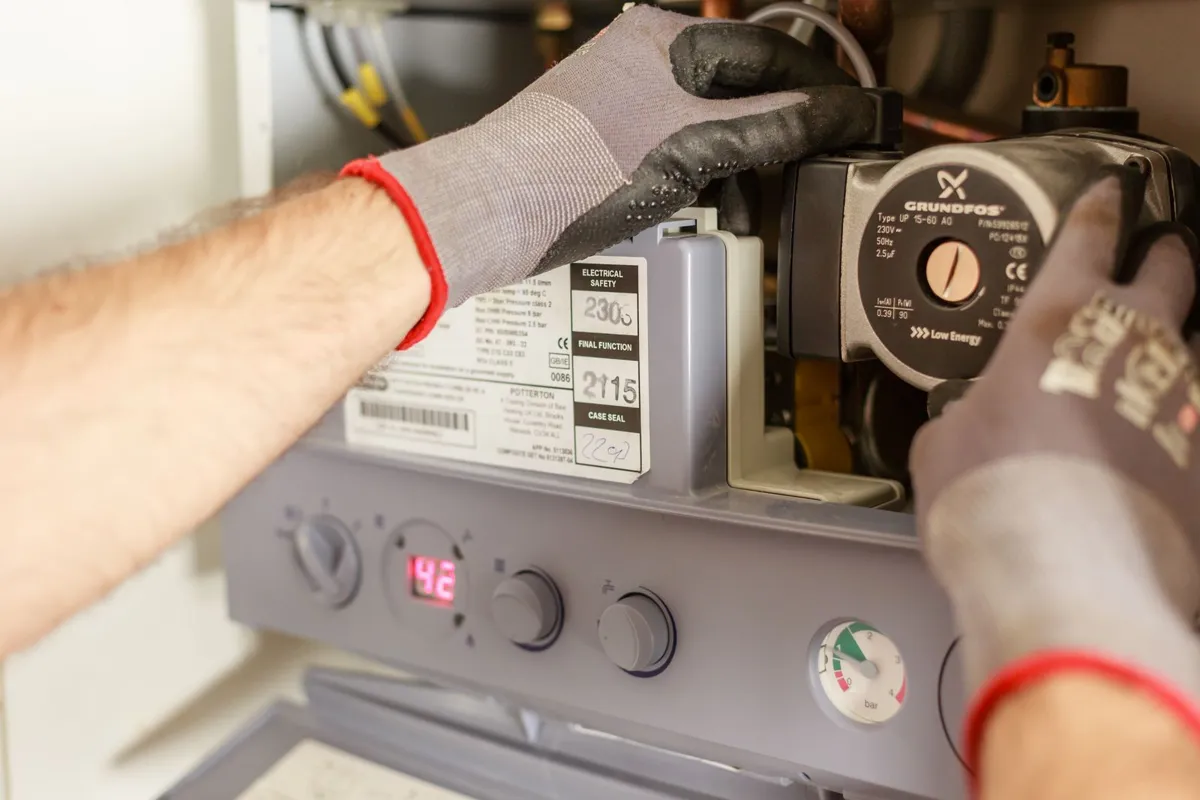
A detection visit works dry-to-wet and top-to-bottom. The plumber inspects the inlet and outlet connections, the relief valve and its discharge pipe, the drain valve, the anode port and the tank body itself, drying and re-checking sections to watch where moisture returns first. On tankless units the condensate path and heat exchanger get the same treatment. Pressure testing the supply side separates plumbing leaks from tank leaks, which is the fork that decides everything else.
The output of the visit is a named source and a priced plan, not a shrug. If the source is a fitting, you will know which one and what its repair costs. If it is the tank wall, you will be shown the corrosion and given the replacement options. Either way, the guessing is over.
Signs You Need Leak Detection, Not Just a Repair
- Water appears but no drip is visible anywhere
- The wet spot returns after the floor is dried
- Moisture shows on a ceiling or wall near the heater
- Your water bill rose with no change in use
- A previous repair did not stop the water
- You smell mildew around the water heater closet
Detection First, Then the Repair or Replace Call
Detection is a small, fixed-scope visit that protects every dollar after it. Once the source is proven, the repair-versus-replace decision makes itself: fittings and valves get repaired, corroded tanks get replaced, and nobody spends replacement money on a valve problem or repair money on a dying tank.
What Happens on the Visit
- Interview and inspection: where the water shows, when it started and what has been tried already.
- Dry and trace: the unit and lines are dried, then watched to see where moisture returns first.
- Pressure test: the supply side is tested to separate line leaks from tank leaks.
- Name the source: the exact component is identified and shown to you.
- Price the fix: repair or replacement options are quoted from the proven finding.
What Leak Detection Costs in Diamond Bar
Detection is priced as a diagnostic visit, modest next to any repair it directs. Its value is in what it prevents: the wrong part, the wrong unit, the second visit. The findings and the resulting quote are given before any repair work is authorized.
Catching the Next Leak Earlier
Glance at the base of the water heater whenever you pass it, and keep the area around it clear so a small pool is visible instead of hidden behind stored boxes. A water alarm on the floor near the unit costs little and turns a month-long leak into a same-day one.
Booking the Visit
Most {kw} calls in Diamond Bar begin the same way: you describe where the water is and how fast it is coming, and the plumber talks through the likely sources before anyone drives out. Whether the unit is gas or electric, tank or tankless, and its rough age are the details that save the most time, so have them handy if you can.
On site, the visit follows the water wherever it leads, and you approve the price before work starts. If your problem is a different leak source, the tank leak repair and leak detection pages cover the other common cases, and the Diamond Bar water heater leak repair page ties the whole service together.
Diamond Bar's hillside streets, hard water and mix of ranch homes and master-planned tracts give its water heaters a specific life: sediment loads fast, hillside street pressure runs high on some blocks, and garage installations sit over concrete that shows every drip. That is the practical difference local {kw} experience makes: the checks that matter here are the ones that get done first.
Common Questions
How long does leak detection take?
Most water heater leaks are traced within the first visit, often quickly once the unit is dried and watched under pressure. Intermittent leaks that only appear during heavy hot water use can take longer, and the plumber will tell you honestly if a monitoring step is needed.
Can a leak come from inside the tank where I cannot see it?
Yes. The steel tank sits inside the outer jacket, and a tank leak often travels between the two before appearing at the base seam. That is exactly the case detection is built for, and it is why water at the bottom is a symptom to trace, not a verdict by itself.
Will detection damage my walls or floor?
No. Water heater leak detection is non-invasive: inspection, drying, pressure testing and moisture checking at the unit itself. Nothing is opened up to find a leak at a water heater, because every candidate source is reachable at the unit.
If your unit needs water heater leak detection Diamond Bar, call +1 (844) 468-2611 and talk it through with a local plumber. For general background, see the {EXT_LINK}.
Stop the Leak: Talk to a Diamond Bar Pro
Tell the plumber where the water is coming from, the heater's age and whether it is gas or electric, and the first visit carries the right parts more often. You reach the receiving provider directly.